

I’ve never been a big fan of fashion photography.
Not that I don’t like fashion. My wardrobe is proof enough. It is where I keep my fashion memories. I still own a few Gaultier, Alaïa, and Mugler pieces from the late 80s, bought back when you could get incredible, raw creations straight from their workshops. Later, as my career evolved, I became a regular at Chanel and Dior and other high end luxury brands.
But fashion photography itself has never been my thing.
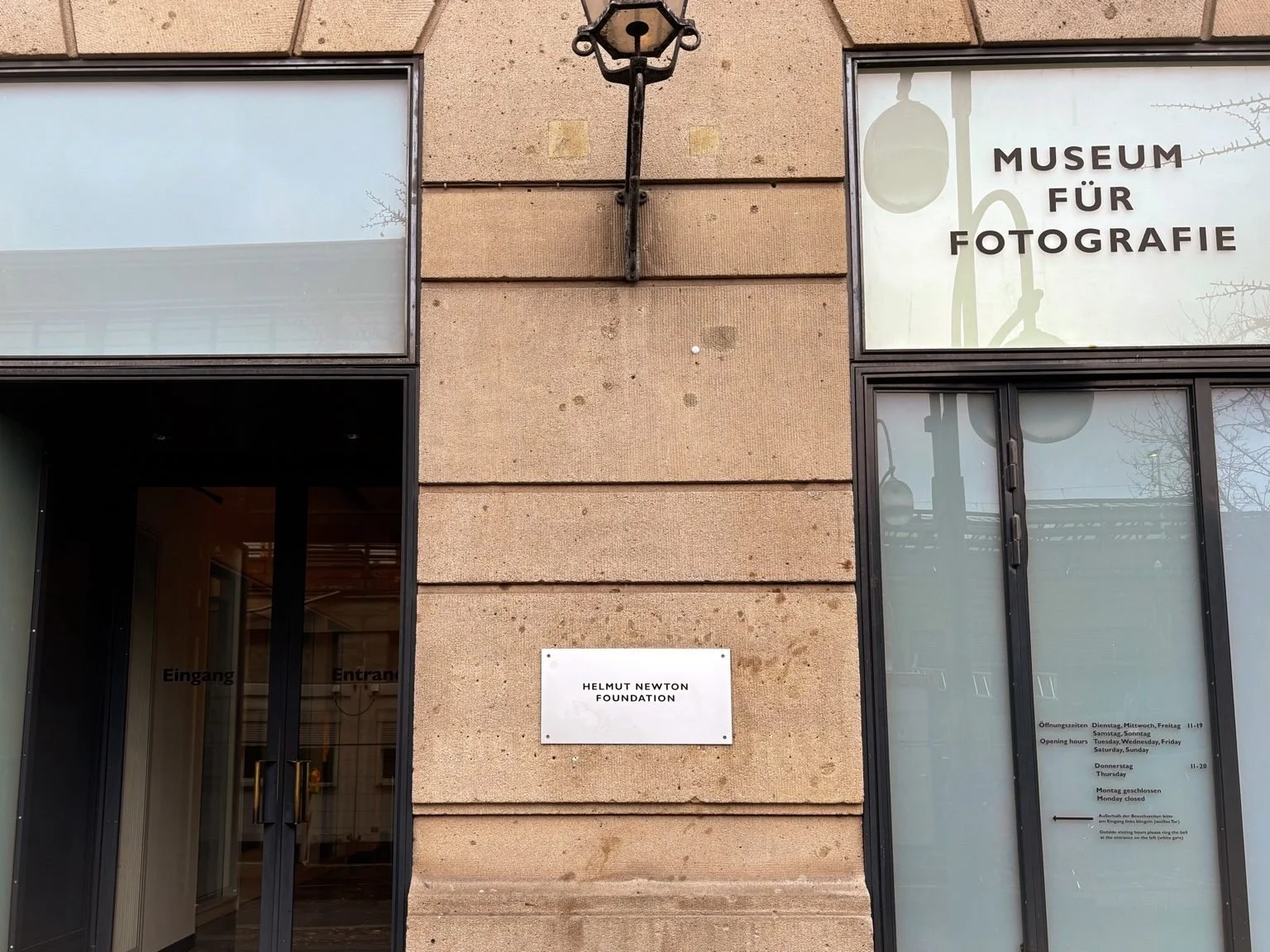
Helmut Newton Foundation, Berlin
I recognize the immense care, the artistic flair, and the creativity behind those images. But what alienates me is the representation of women it so often conveys. I simply don’t recognize myself when I see perfect bodies used merely as coat hangers or window displays.
When I look at a photograph, I am always more interested in reading the gallery label than shoes price tag.
Visiting the Helmut Newton Foundation in Berlin was, therefore, an unexpected shift. It helped me pin down exactly why standard fashion photography leaves me cold, but it also introduced me to the "other" photographer in Newton—the one existing far beyond the glamour and the celebrity portraiture. It revealed a complete artist, and sparked a major architectural idea for the future of my gallery.
1. The Polaroids
Walking past the giant, cold prints, I found myself completely captivated by the Polaroids. Displayed as a massive mosaic of fleeting moments, seeing them blown up in a large format is a revelation.
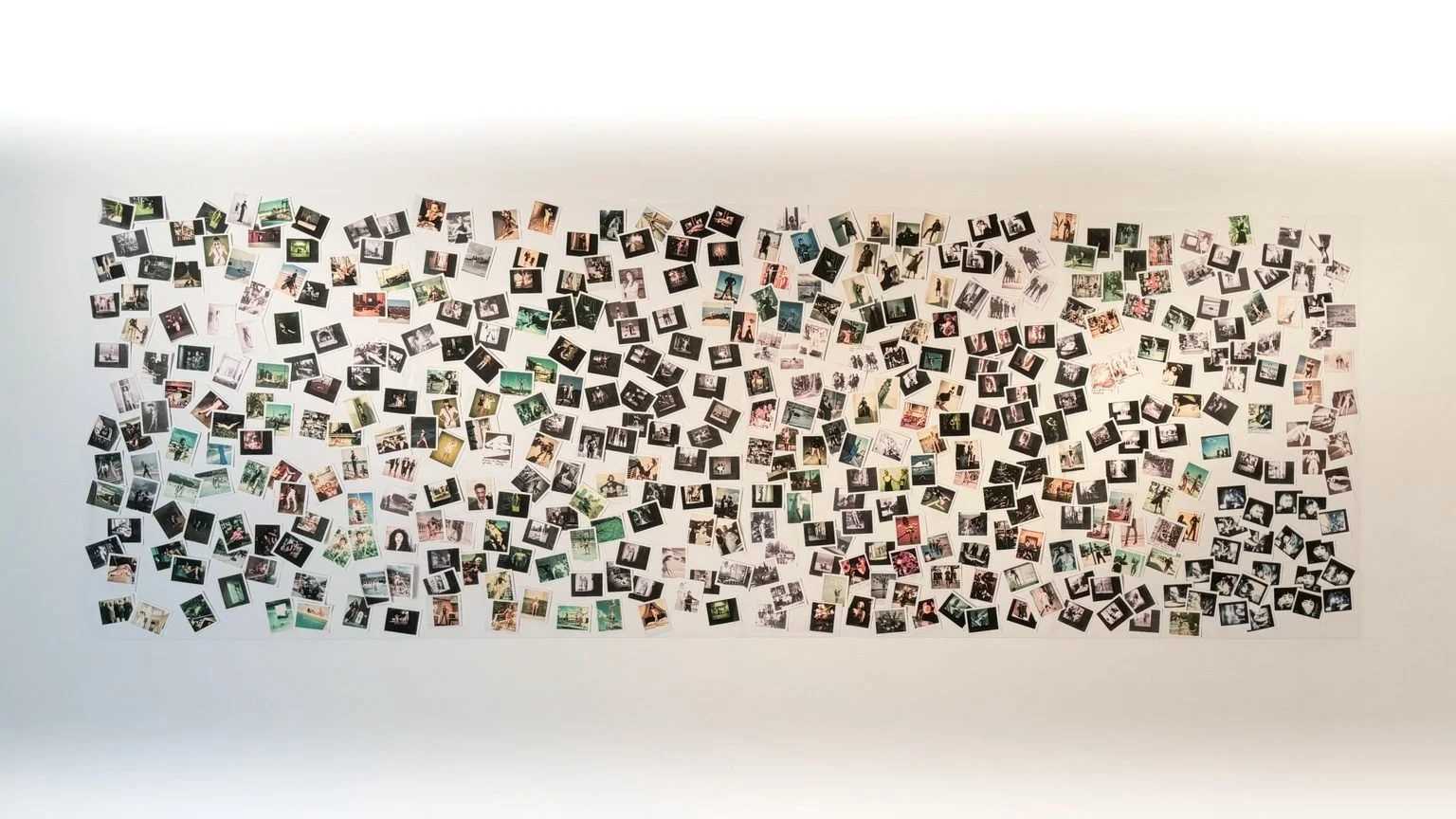
Mosaic
What is truly incredible is how Newton used such a technically limited medium to create something so visceral. The typical Polaroid color shifts and those sharp, uncompromising contrasts, whether in the overexposed daylight shots or the deep, moody night scenes, are striking.
I loved the story of his wife, June, raiding his Polaroid box to use them as place cards for dinner parties. It brings the "legend" back down to earth, treating these images as raw, immediate objects. There is a tactile vulnerability in a Polaroid that the final glossy magazine page completely erases. It is the draft of the soul before the industry polishes it away.
2. Private Property
In the biographical rooms, the atmosphere shifts. The black-and-white work here shows a completely different kind of mastery. While his talent for portraiture is undeniable, I was instantly drawn to the photos that had absolutely nothing to do with fashion.
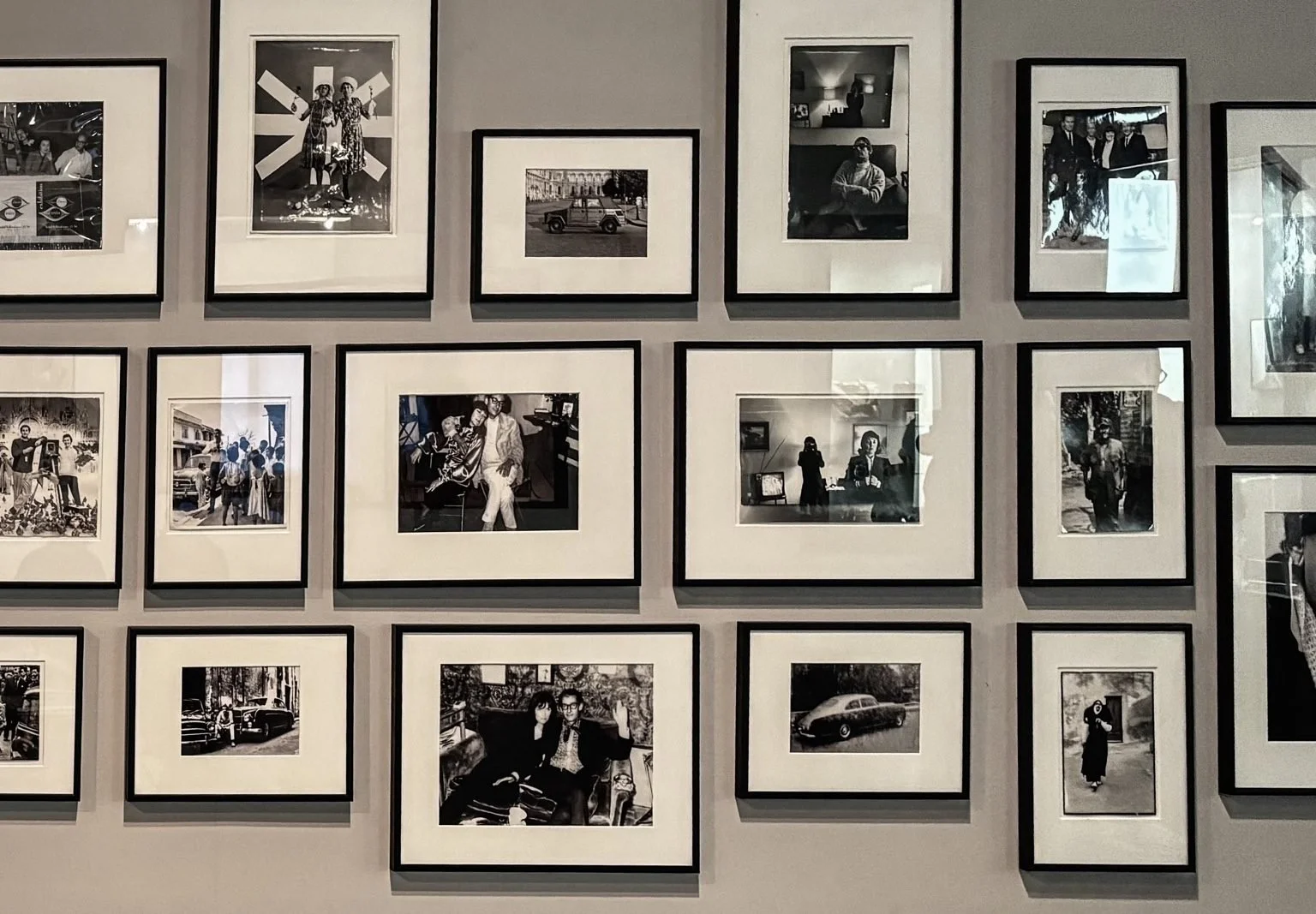
Biography
Take a simple photo of a car I saw there, with its grainy, almost "grunge" texture. It shows a completely different facet of his eye. It isn’t about perfection or luxury; it’s about atmosphere and the physical truth of the subject. These intimate shots, away from the spotlights, prove he was a master of light and grain, regardless of the subject.
3. Diptychs
Finally, I reached the "Diptychs" room, and that is where everything clicked for my own gallery project.
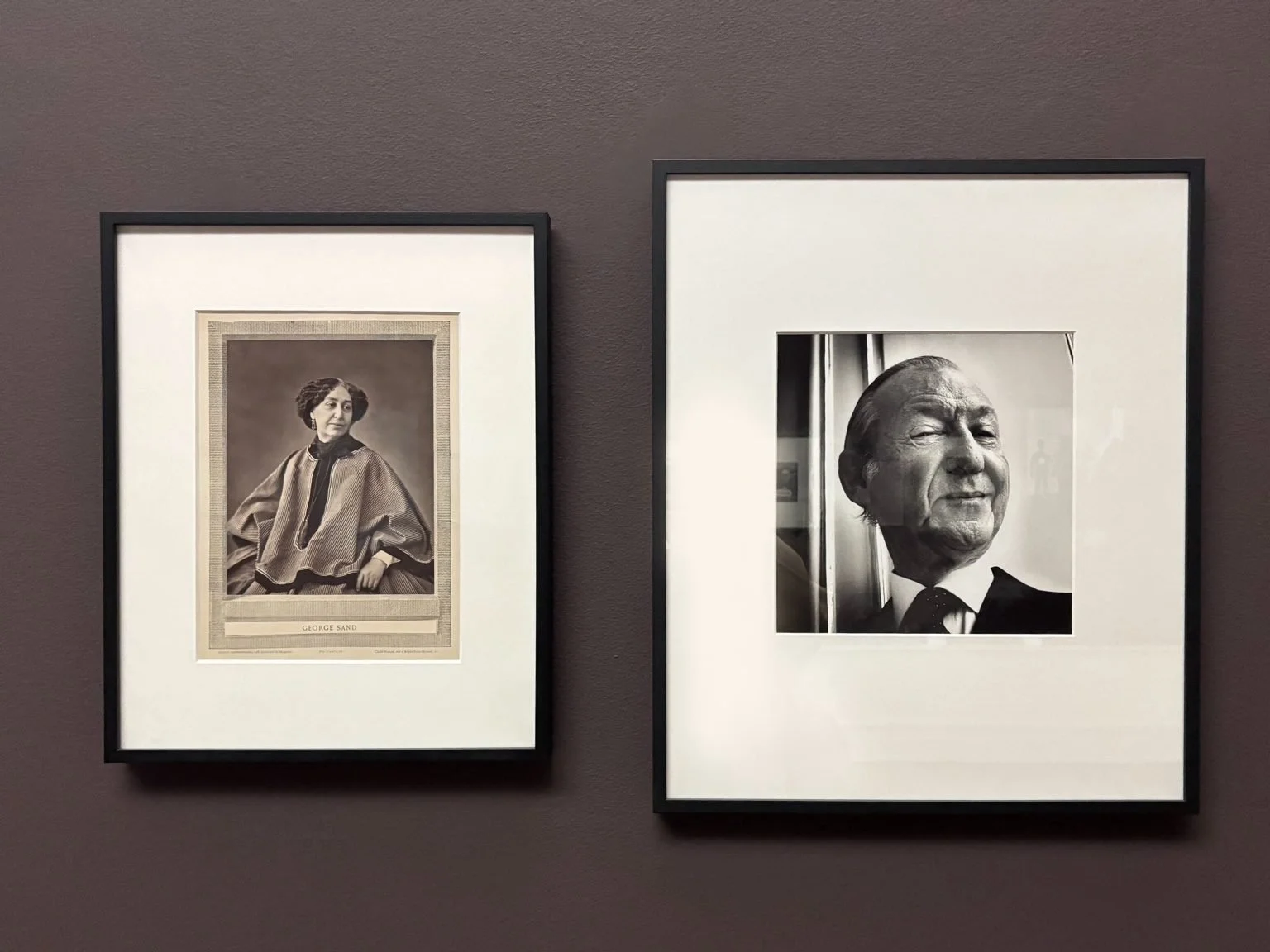
Kurt and George
The curator had paired Newton’s iconic shots with archives, landscapes, and works by other photographers. Seeing his famous portrait of Kurt Waldheim alongside Nadar's George Sand, or refocusing the eye on the architectural background of a fashion photograph changed everything. Suddenly, it wasn't about fashion anymore; it was about composition, posture, the hierarchy of light, and the sheer architecture of the gaze.
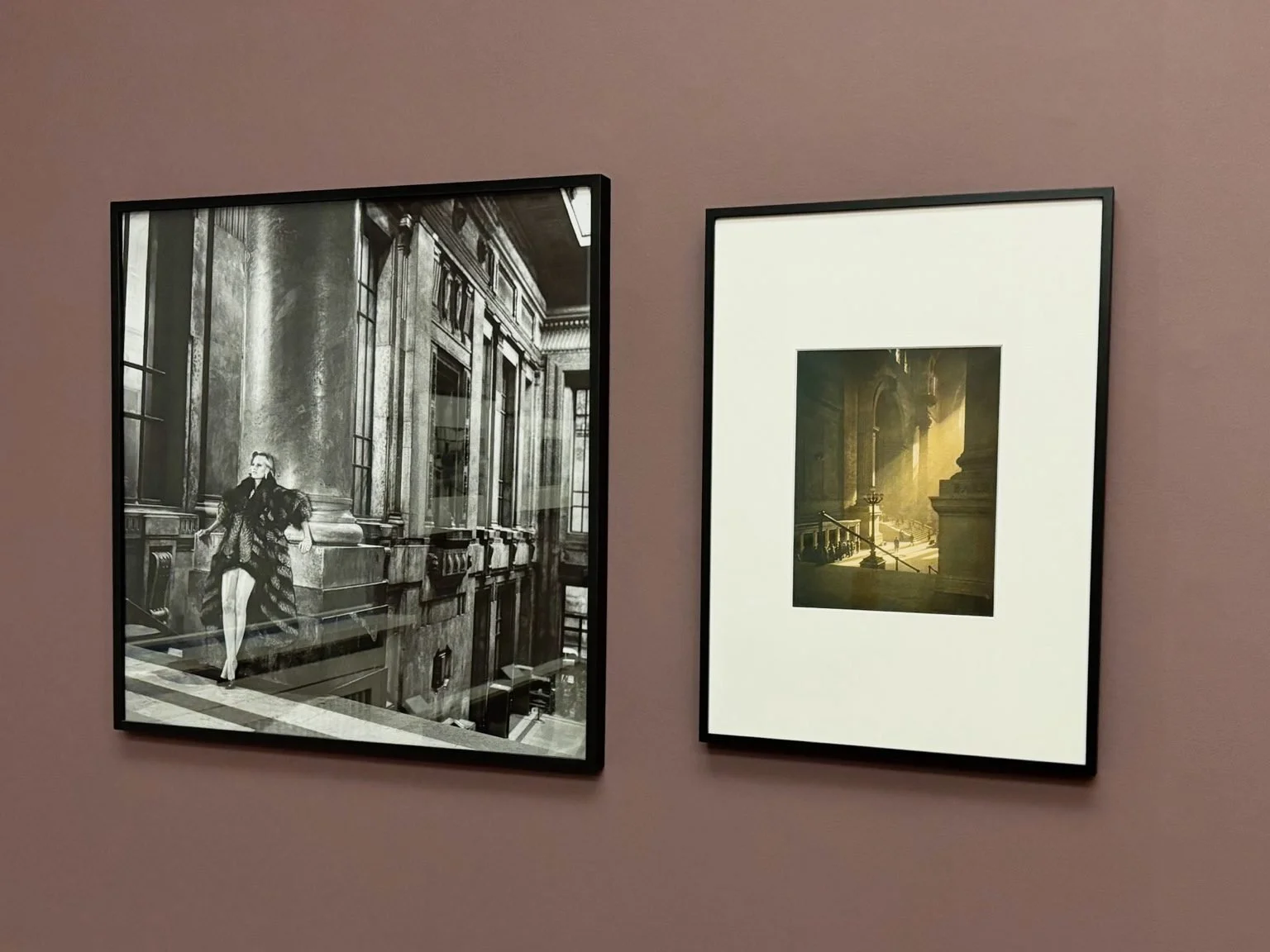
Architecture
This room confirmed exactly what I want to do: my role isn’t just to hang beautiful pictures on a wall, but to create dialogues. To pair the unexpected. To find the "physical truth" in the friction between two different worlds.
It also inspired a core program for supporting emerging photographers at the gallery. We will offer them a platform to showcase their creations (new or from their archives) by revisiting, reinterpreting, or even hijacking something shown in our main seasonal exhibitions. Every year, around 16 talented photographers will participate in these diptych exhibitions, and their work will be published in our dedicated books and zines.
I walked out of the Foundation seeing a complete artist, and ready to build a space where images don't just sit on a wall: they talk to each other.
